

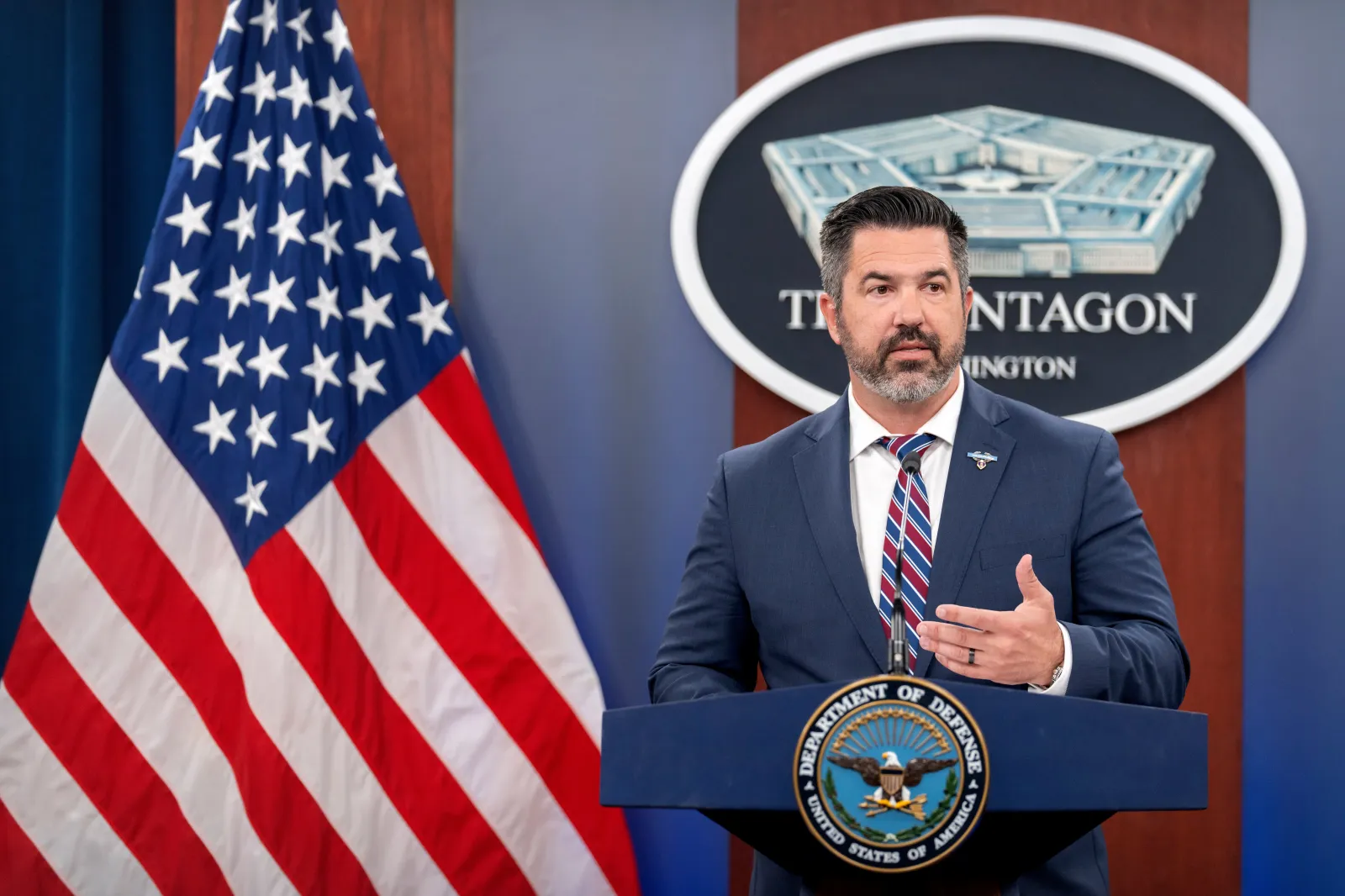
Pentagon spokesperson Sean Parnell is defending the dismissal of three senior Stars and Stripes employees after a federal judge declined to block their terminations, arguing that the legal challenge does not involve violations of the First Amendment.
In an X post on Saturday following the ruling, Parnell pointed to the court’s decision as validation of the Defense Department‘s position that the actions taken against the employees were based on workplace conduct rather than protected speech.
“The court applied settled Supreme Court law: public employees do not receive First Amendment protection when they speak with the government’s voice,” Parnell wrote. “The record showed these interviews were arranged with supervisor involvement, conducted at Stripes workplaces, and presented the speakers in their official titles, discussing the paper they run. That is government speech, not private-citizen speech.”
Stars and Stripes, a military newspaper, is funded by the U.S. government but has long said it is editorially independent of the Pentagon.
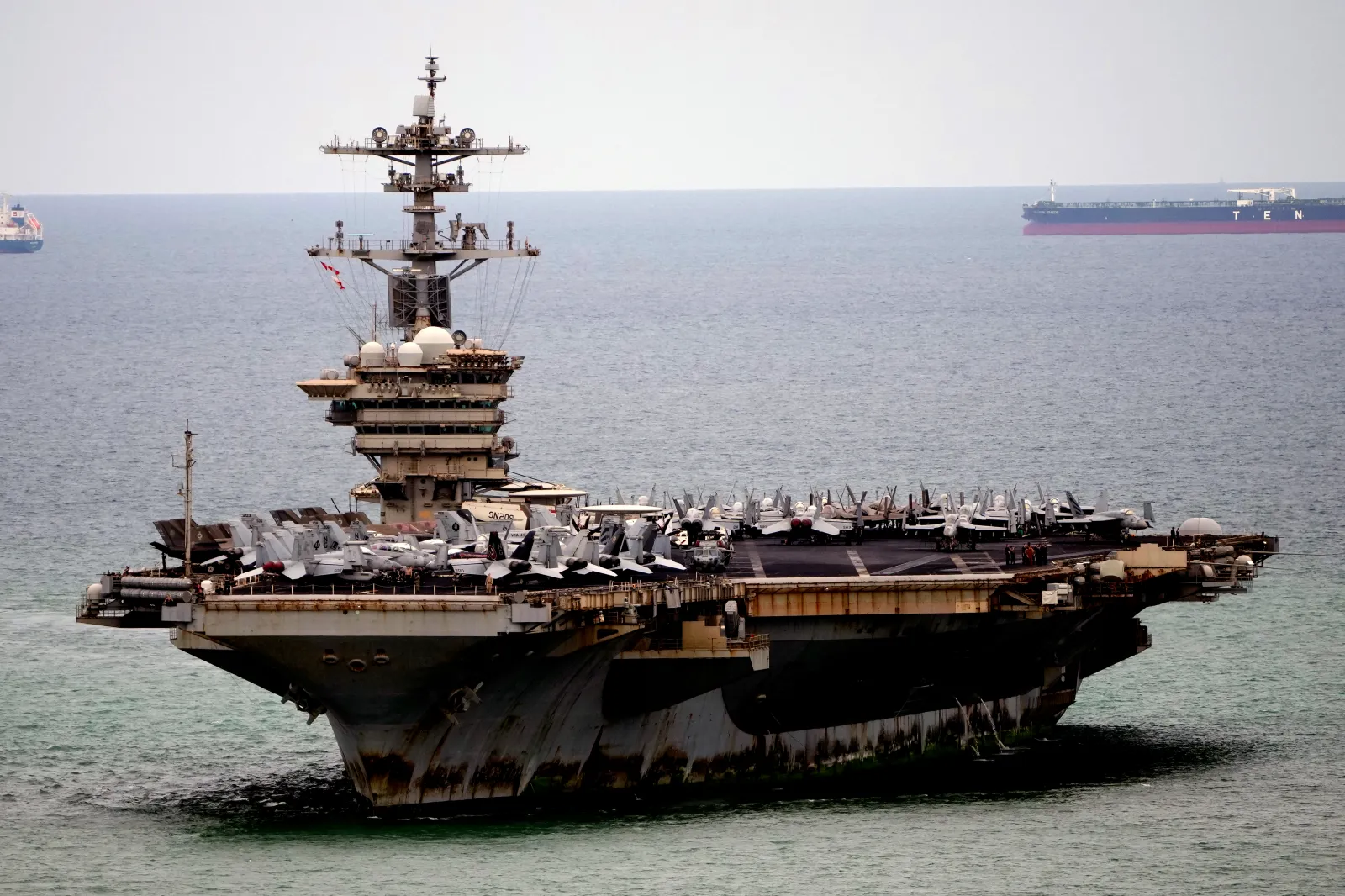
The dispute centers on the removals of publisher Max Lederer, editor-in-chief Erik Slavin, and reporter Lara Korte. The journalists accuse the Pentagon of retaliating against them for defending the newspaper’s editorial independence and for reporting on conditions aboard the aircraft carrier USS Abraham Lincoln.
Newsweek reached out to the Pentagon by email Saturday for comment.
Origins of the Legal Dispute
The controversy escalated after Stars and Stripes published a report detailing alleged hardships aboard the USS Abraham Lincoln during an extended Middle East deployment, including concerns about sailors‘ mental health and shortages of food and water. The lawsuit argues that the Pentagon moved to fire key newsroom leaders shortly after the story was published, while Defense Department officials maintain the dismissals were related to alleged insubordination, rather than the reporting itself.
According to court filings, Slavin and Korte received separation notices citing alleged insubordination connected to comments they made during a July 5 CBS Sunday Morning segment discussing the newspaper’s editorial independence. Lederer’s separation notice stemmed largely from his refusal to carry out Pentagon directives to dismiss the two journalists.
The three journalists sued the Pentagon in August, saying their dismissals violated the First Amendment, arguing that Pentagon officials sought to punish them for defending the publication’s independence and for publishing reporting that reflected negatively on military leadership.
Federal Court Ruling
On Friday, U.S. District Judge Trevor McFadden denied requests for emergency relief that would have halted the firings while the lawsuit proceeds. McFadden wrote that the plaintiffs had not shown they were likely to succeed on their First Amendment claims, finding that the comments at issue appeared to have been made as part of their official duties rather than as private citizens.
“In short, when government employees provide public commentary in their official capacity, their speech is government speech, and the First Amendment does not apply,” McFadden wrote.
The judge also found that Lederer’s refusal to comply with instructions from superiors was unlikely to receive First Amendment protection.
Parnell argued that Slavin and Korte’s remarks during the CBS News interview fell outside the scope of constitutional protections governing public employees.
“The Department has both the authority and the responsibility to ensure it remains focused on the force—warfighting, readiness, and the men and women who serve—rather than becoming a platform for airing employee grievances. We will follow the law and complete the personnel process,” he wrote in his Saturday X post.
Staff Members Respond to Legal Setback
In a statement emailed to Newsweek on Saturday morning, the staff members at the center of the case responded to the judge’s decision:
“We are disappointed by Friday’s decision, but we recognize that preliminary injunctive relief carries a high bar.”
“This was an early ruling based on the record now before the court, not a final judgment. The court itself noted that discovery may strengthen our case,” the statement read.
“Our broader case, including claims that were not part of the injunction motion, remains unresolved. We are reviewing the decision with our attorneys and considering our next steps,” they continued. “We continue to believe that the Pentagon should not be able to fire journalists for speaking out against censorship and defending the editorial independence of Stars and Stripes.”
“This case is not primarily about the three of us. It is about whether the servicemembers who swear to defend the Constitution, and the…
Read More: Sean Parnell Defends Stars and Stripes Firings, Rejects First Amendment Claims